Buying heavy machinery isn’t like buying a new phone on Amazon. We’re talking tens of thousands of dollars, sometimes even hundreds of thousands. The last thing you want is to wire $50,000 to some supplier you found online, only to find out the company doesn’t exist.
Scams in the machinery industry are more common than most people think. And even when a supplier is legit, you could still end up with the wrong machine, hidden costs, or delivery headaches.
So, here’s the big question: How do you vet a machinery supplier before sending money?
Let me show you the exact steps you should take.
Step 1: Check Their Business Credentials
First things first, you want to make sure the supplier is a real business. Don’t just trust a flashy website with stock photos of excavators and bulldozers.
Here’s what you should look for:
- Business license & registration: In the US, you can look up a company on the U.S. Small Business Administration (SBA) or through the Secretary of State’s online database for their registered state.
- Tax Identification Number (TIN): A real supplier should have one and provide it if asked.
- Physical address: Google Maps is your friend. Check if the address is real or just a random mailbox in the middle of nowhere.
For example, if a supplier claims they’re based in Texas but their address pulls up as a UPS Store in Houston, that’s a red flag.
Step 2: Research Their Track Record
Now, let me tell you about the power of reputation. A legitimate supplier leaves a trail, reviews, past clients, and even mentions in trade associations.
Here’s how to dig in:
- Check online reviews: Sites like Trustpilot, Better Business Bureau (BBB), and even Google reviews can tell you a lot.
- Ask for references: A reputable supplier won’t hesitate to connect you with a previous buyer.
- Look for industry associations: Memberships in groups like the Association of Equipment Manufacturers (AEM) can be a sign they’re serious.
Real-world example: A construction company in Ohio shared that when they bought a Caterpillar skid steer, they spoke directly to another buyer who had worked with the supplier for five years. That call saved them from second-guessing their $80,000 purchase.
Step 3: Verify Payment Methods
Here’s where most scams happen. If a supplier only accepts wire transfers to an overseas account, that’s a massive red flag.
Safer options include:
- Escrow services: Third-party platforms hold your money until the machine arrives in good condition.
- Letter of credit: Common for international deals, especially with banks acting as middlemen.
- Credit card or PayPal (for smaller deals): Not always possible for heavy machinery but offers buyer protection.
Imagine you’re about to send $120,000 for a used excavator. Would you feel safer wiring it to “John Doe Ltd” in Nigeria, or using an escrow service through your US bank? Easy choice, right?
Step 4: Inspect the Machinery
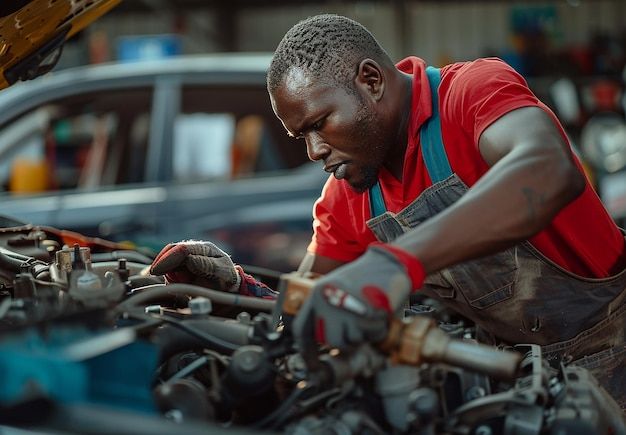
Never, and I mean never, buy machinery without verifying its condition. Photos can lie, and descriptions can be sugar-coated.
Here’s how to do it properly:
- Hire a third-party inspector: In the US, companies like Equipment Appraisal Services will check machines for you.
- Request live video calls: Ask the supplier to show the machine running in real-time.
- Check maintenance logs: A machine with no service history could end up costing you double in repairs.
For example, a farmer in Iowa nearly bought a tractor online that looked perfect in photos. A quick third-party inspection revealed major engine issues. That $30,000 mistake was avoided for just a $400 inspection fee.
Step 5: Ask the Right Questions
When talking to a supplier, don’t just ask “How much?” or “When can you deliver?” Go deeper.
Some good questions include:
- How long have you been in business?
- Can you provide copies of your business license and insurance?
- Who are some of your past US clients?
- Do you offer warranties or return policies?
- What’s your after-sales support like?
A dodgy supplier will dance around these questions. A legit one will answer clearly.
Step 6: Start Small If Possible
Now, let me show you a smart way to reduce risk: test orders.
Instead of jumping in with a $200,000 deal, start with a smaller purchase. Even if it’s a spare part worth $5,000, it gives you a chance to test:
- Their communication
- Shipping reliability
- Product quality
Real-world example: A construction firm in Florida first ordered $8,000 worth of spare parts from a new supplier. Once they confirmed everything went smoothly, they went ahead with a $95,000 bulldozer purchase.
Step 7: Trust Your Gut
This may sound old-fashioned, but trust me, your instincts matter. If something feels off, it probably is.
Signs to watch for:
- The supplier pressures you to pay immediately.
- Prices seem too good to be true. (A $25,000 excavator that usually costs $75,000? Come on.)
- They avoid video calls or face-to-face meetings.
When in doubt, walk away. Losing a deal is better than losing your money.
Final Thoughts
Buying machinery is a big deal, and the stakes are high. The good news is, if you take the right steps, you can protect yourself.
So, let’s recap how to vet a machinery supplier before sending money:
- Check their credentials.
- Research their track record.
- Verify safe payment methods.
- Inspect the machinery properly.
- Ask smart questions.
- Start small before going big.
- Trust your gut.
If you follow these steps, you’ll cut your risk dramatically and make sure your hard-earned money is safe.
Because at the end of the day, buying machinery isn’t just about getting equipment, it’s about building long-term, trustworthy partnerships.
Pro Tip: Always remember, there are plenty of good suppliers out there. Don’t let the fear of scams stop you, but don’t rush into wiring money either. Take your time, vet properly, and you’ll save yourself from some very expensive headaches.
